

You’ve worked through the decisions, settled on your options and materials, had your boat measured, and placed your order. Now comes the part that tests every sailor’s patience: waiting for the sails to be built. This article walks you through what’s happening during that time and how to plan around it.
Sails Take Time to Build
It’s easy to think of a sail as a product you order and receive, but it’s closer to a piece of custom craftsmanship. Every sail we build is made to order for a specific boat, with specific options, in specific materials. There’s no shelf to pull from. A straightforward genoa for a 35-foot boat can have 30 to 40 hours of skilled labor in it. A full mainsail with all the trimmings, or a larger and more complex build, can run into the hundreds of hours. That work takes time, and it takes a skilled team to do it right.
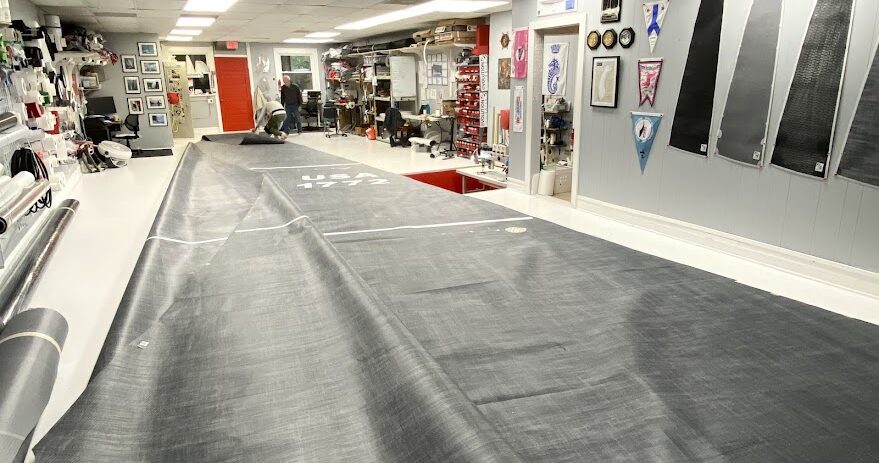
What Happens at the Loft
Once your order is placed and measurements are confirmed, the sail goes into the design queue. Our designers work with bespoke design systems, SailPack and Smart Azure, to create not only the correct dimensions but the precise panel curves and luff shape that make the sail fly correctly. A sail isn’t just a flat triangle of cloth; the shape is built into the panels themselves, and getting that right is where the expertise of an experienced sailmaker really shows.
Those designs are then sent to either our membrane plant in New Zealand or our cutting tables, depending on the construction. Membrane sails are custom laminated in New Zealand, with the load-bearing fibers laid precisely to the design specifications. Crosscut and triradial sails are computer cut and assembled along their seam lines to form the rough shape of the sail. From that point both membrane and paneled sails follow the same process.
The rough blanks are cut down to their final shape using a combination of computer-generated guidelines and the judgment of experienced sailmakers who know how the sail needs to behave on the water. Then comes finishing, which is where the sail really comes together. Batten pockets and reef points are added, all three corners and edges are finished, and attachment methods like bolt rope and slides are fitted. The final touches include draft stripes, sail numbers, telltales, and the Evolution Sails logo. The sail gets a wipe down, is carefully folded, and packed into its bag ready for shipping.
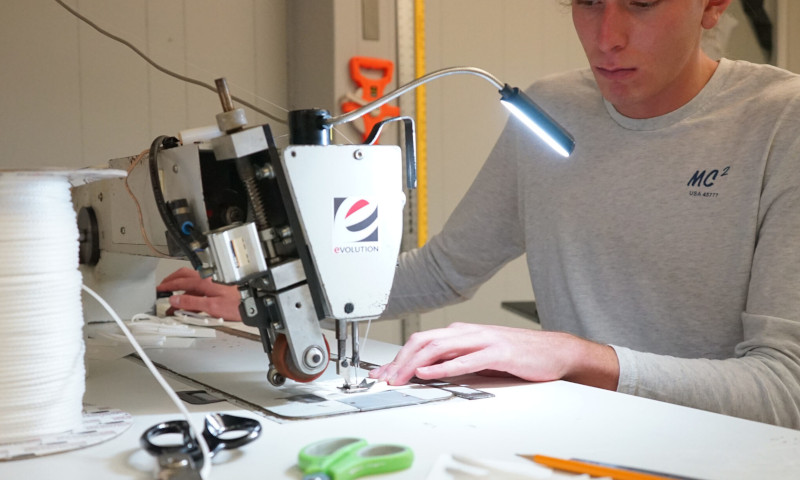
Typical Lead Times
Under normal conditions, most cruising sails take roughly six to eight weeks from the time measurements are confirmed and the order is finalized. Simpler builds at quieter times of year can come in at the shorter end of that range. Larger, more complex orders, or orders that come in during peak season, will take longer.
Peak season for sail lofts in the northern hemisphere runs roughly from March through June, as sailors who want to be on the water for summer place their orders in the spring. If you’re planning to have new sails for the start of the sailing season, ordering in the winter is the smart move. Waiting until April and hoping for a May delivery is a gamble that doesn’t always pay off.
If you’re working against a specific deadline, a regatta, a departure date, or a boat show, let us know early in the process. We’ll be upfront about whether it’s achievable and what options are available.
Expedited Service
If you’re in a time crunch, ask us about expedited service. In most cases we can prioritize a build to hit a tighter timeline, though depending on the circumstances there may be an additional charge. The earlier you flag the deadline, the more options we have, so don’t wait until the last minute to bring it up.
Payment
We require a 50% deposit at the time of order to get your build scheduled and materials ordered. The remaining 50% is due when the sails ship or when you pick them up. We’ll be in touch as your order approaches completion to arrange the final payment and confirm delivery details.
We Ship Anywhere
One of the questions we get regularly from customers who aren’t local is how delivery works. The answer is that we ship sails anywhere in the world, and we’ve done it many times. That said, it’s worth letting us know early in the process where the sails are heading. Knowing the destination lets us make decisions that can keep shipping costs in check, including which batten materials we use, since certain options pack and ship more efficiently than others.
For sailors heading to remote destinations, particularly island cruising grounds, it’s worth knowing that many customers find it cheaper and easier to pick up their sails in the United States before they leave rather than having them shipped to a remote port and dealing with customs, duties, and unpredictable local logistics. If that’s your situation, it’s something we can plan around together.
Staying in the Loop
Once your order is in production, we’re happy to keep you updated on where things stand. If you have a specific delivery window you’re working toward, just let us know and we’ll do our best to give you visibility into the timeline. And if anything changes on our end that affects your delivery, we’ll reach out proactively rather than leaving you to wonder.
Use the Time Well
The wait can feel frustrating when you’re eager to get sailing, but it’s actually a great opportunity to make sure the boat is ready to receive the new sails. Check that your mast track or furler is in good working order. Make sure your batten cars or slugs are clean and running freely. If you’re adding a new furler or bowsprit to go with a new downwind sail, now is the time to get that installed.
It’s also worth doing a thorough walkthrough of the rig and fittings for anything that could damage a new sail. Exposed cotter pins, open rings, protruding screws, and rough edges on spreader tips or shroud terminals are all common culprits. Tape anything suspicious with light-colored electrical tape or similar, so you can easily spot it later. A few minutes with a roll of tape now can save a nasty tear on an expensive new sail.
A little preparation goes a long way; arriving at the dock on delivery day with a boat that’s ready to go means you could be sailing on new canvas before the end of the week.
In Article 9, we’ll cover what to expect when the sails actually arrive, including tips for a smooth first day on the water and what to do if something doesn’t look right.